Tuesday, June 8, 2010

Warning Signs of a Possible Need for Help


Here is a great article and list of warning signs your elder needs help. (See source below)

The real challenge facing elders and their loved ones, is the ability to differentiate normal aging, from the warning signs that something may be wrong, requiring some form of intervention. It is important to note that we all have a bad day - our hair in uncombed, we forget an appointment, or we feel depressed; however a recurrent pattern may indicate a problem.

We are providing a list of some questions that may help you evaluate if there is a potential problem, but this list is only meant to serve as a guide. If a problem is suspected, the elder needs to be seen by a professional who can conduct a complete medical evaluation and a geriatric assessment, and help determine the best way to proceed.

1. Is the person experiencing any significant vision, hearing, or memory loss?

2. Is the person experiencing any anxiety, depression, or phobias?

3. Is the person oriented to time, place, and person?

4. Is the person able to read, write, and use the telephone without difficulty?

5. Is the person able to use public transportation, or arrange to take a cab?

6. Is the person able to perform routine housekeeping tasks (e.g. laundry, cooking, cleaning)

7. Is the person able to handle maintenance needs?

8. Is the person able to prepare meals and eat regularly?

9. Is the person able to bath independently?

10. Is the person able to dress appropriately?

11. Is the person able to manage their own finances?

12. Is the person able to handle their own banking and financial needs?

13. Is the person able to write checks & balance their checkbook?

14. Is the person able to exercise good judgment, and make sound decisions?

15. Is the person able to manage their own medications?

16. Is the person able to go shopping for groceries?

17. Is the person able to maintain relationships with family and friends?

18. Is the person able to walk, climb stairs, and remain standing?

19. Is the person able to easily and safely get up and down from a chair?

20. Is the person able to fall asleep and stay asleep?

21. Is the person able to remember family names, and appointments?

22. Is the person able to safely see & operate appliances?

23. Is the person able to drive?

24. Is the person able to hear the phone ring, and understand a conversation?

25. Is the person able to participate in leisure activities?

26. Is the person expressing any issues or concerns?

27. Is the person experiencing a sudden weight loss or gain?

28. Is the person experiencing any health concerns?

29. Is the person experiencing any bruises or cuts?

30. Is there any evidence that the person is the victim of fraud or abuse?

from caregiverresourcecenter.com

Sunday, May 23, 2010

Some Of The Best Exercise I’ve Ever Had

De-cluttering my childhood home and staging it for sale has given me some of the best exercise I’ve had in a long time.

As we have emptied more than equivalent of 12 closets full of clothing, de-cluttered 12 rooms, and staged the entire house, I’ve been exercising constantly because the house is two stories and there’s also a large basement so I’ve been climbing up and down two different flights of stairs for four days – nonstop!!

Removal of Family Photos Is The Hardest


The hardest part of decluttering my childhood home in preparation for listing it for sale is the removal of all the family photos. Each time someone took down a photo I felt as though I was dying or that I was being killed.

Although the house is nice and neat and cluttered now, I feel it has no soul.

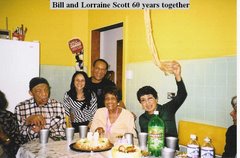
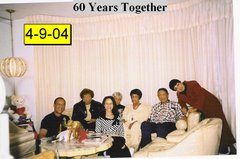
There’s no evidence that the Scott family ever existed. It’s a very dark feeling.

Saturday, May 22, 2010

Using a dumpster for clearing the clutter is not always a good idea

As I evaluate it options for decluttering my childhood home, I considered renting a dumpster that would sit outside in front of the house. Many of those whom I consulted cautioned me on the downside of selecting this option now. What they explained is that typically when someone rents a dumpster, anyone who lives within an 8 mile radius we’ll add their junk to the bin. I never even considered that reality.

What we have decided to do is to temporarily convert the garage into a storage area for all the junk. Once the house is free of all that junk that is in the garage, and then I will hire a dumpster company to bring a dumpster into the alley right next to the garage.

Hiring a dumpster is very expensive; I want to make sure that I get the full use of this service.

Wednesday, May 19, 2010

In Chicago To Clear The Clutter

Today, my close friend from childhood, now a professional organizer, will help me sift through all the memories in my childhood home. She played with me and my Sis for hours at a time here--girl scouts, dancing, music, homework, birthday parties, sleepovers, back yard cook outs, planning for prom...............

Wednesday, May 12, 2010

Selling My Childhood House is Hard


I knew that selling my childhood home would be hard work but doing this from long distance is especially challenging.

I am reading books on clearing out parents’ estates, de-cluttering, and how to keep my asthma at bay while dealing with all the dust and molds, there.

I am engaging the help of:

A Chicago realtor who works in that part of town
Estate attorney there(who is slow and unresponsive)
My lawyer here
A professional organizer who is one of my childhood best friends
Someone to clean the house, especially my room that is full of allergens
A contractor/mover/handyman/strong guy
Insurance company
Friends of Mom (challenging because the few left are over 90) and charities to come take certain items

I will go to Chicago next week, for a week, with the goal of preparing the house for staging---To list it for sale!

I have been reading Boomer Burden by Julie Hall—The subtitle is Dealing With Your Parents’ Lifetime Accumulation of Stuff. I find it extremely informative, chock full of helpful tips.

I will talk more about my journey and this book in my next post.

Friday, May 7, 2010

Tips for checking on your Mom or Grandmom during your Mother’s Day Visit


Gary Barg, founder of Caregiver.com, offers great advice for your visit to Mom:

To Grandmother’s (and Mom’s) house we go this weekend all across the country to visit our dear moms and grandmas. If you are a long-distance caregiver, this trip offers an opportunity to spend time with loved ones and take stock of how well they are doing on their own.

Some of the things you may want to check on while in the house:
• Is there a good variety of food in the refrigerator?
• That are the expiration dates on the perishables?
• Are the medications being utilized and up to date?
• Is there an emergency medical kit in easy reach of the occupants?
• Are there any safety hazards in the bathroom (are rails needed, are mats slippery?)
• Are bills being paid or are they piled up unpaid in a corner?
• If they have a pet, is there plenty of fresh water and food available? (You may want to contact Meals on Wheels and inquire about the “We All Love Our Pets" program or WALOP; www.mowaa.org)

Gary Barg
Editor-in-Chief
gary@caregiver.com